
There's an old saying: time and pressure make a diamond. It's a useful reminder that excellence isn't forged in a single moment of heroic effort. It's built through sustained pressure, applied consistently, over time.
What the saying doesn't capture is the asymmetry.
Building excellence is slow. Losing it can happen fast.
Think about part setup. Indicating a part in correctly and double-checking your work isn't glamorous. It takes time. When the queue is stacking up and everyone's waiting on the machine, there's pressure to move faster. You indicated it in. It looked good. Let's go.
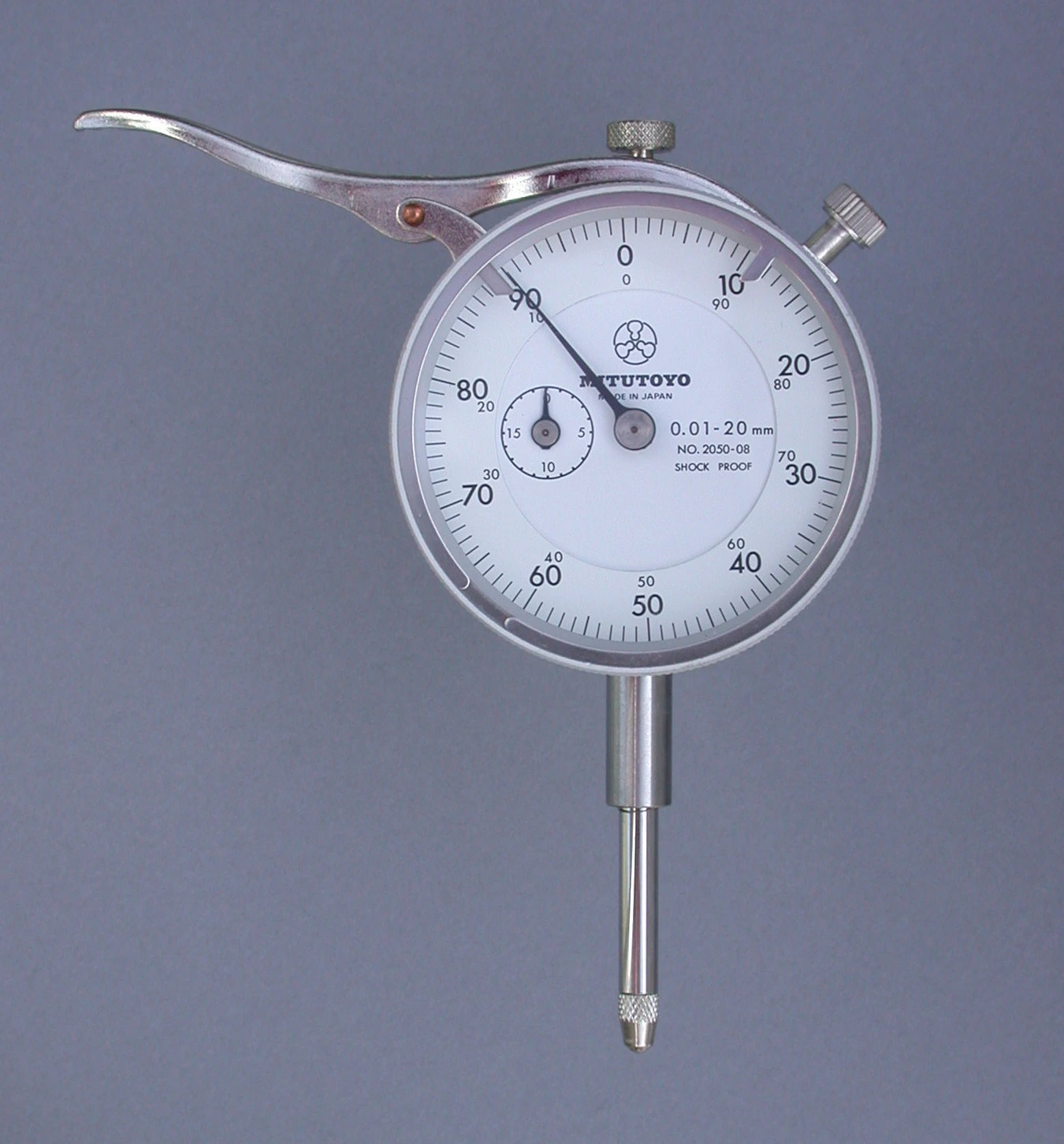
Skipping the verification might save five minutes. But setup is the foundation—every cut that follows assumes you got it right. If you didn't, you won't find out until the end, when the part comes off wrong and you're staring at hours of lost machine time and a piece of material you can't get back.
That's the asymmetry. Five minutes saved, hours lost. A small speedup in exchange for starting the whole job over—if you even have material to try again.
Excellence works this way across the board. You don't lose it in a catastrophic failure. You lose it in the accumulation of small compromises that each seemed reasonable in the moment. The physics of excellence favor entropy. Left alone, standards slip. The path of least resistance always runs downhill.
This is what makes sustained excellence rare. It's not that people don't want it. It's that wanting it isn't enough. You have to choose it, repeatedly, in the small moments when the pressure is on and the shortcut is right there.
Every indicator sweep verified. Every offset double-checked. Every setup treated like it matters—because it does. These choices compound.
The good news is that compounding works both ways. The same way small compromises accumulate into decline, small disciplines accumulate into something remarkable. Not overnight. Not in one quarter. But over months and years of consistent pressure, you build something that can't be built any other way.
Time and pressure make a diamond. But only if the pressure never lets up.
Find out more.
Ask for a quote.