
On October 22, I'm joining Kathleen Gallagher of 5 Lakes Institute and Peter Cesarz of Boyle Fredrickson for a panel at the Wisconsin Association of Energy Engineers' 2026 Wisconsin Energy Efficiency Expo. Our topic is managing innovation in the energy space: how Wisconsin turns its research, including UW–Madison's work in fusion, into companies, hardware, and jobs that stay here.
My point is simple: We don't need to reinvent the wheel.
New Technology, Old Questions
When a technology is truly new, it's tempting to assume everything around it has to be new: new business models, new contract structures, new ways of handling intellectual property. Implementers spend time and legal fees designing arrangements from scratch, and suppliers hesitate because the terms look unfamiliar.
Fusion, advanced storage, and next-generation grid hardware may be new, but the questions around them have been asked and answered many times: who owns an invention, who pays for tooling, and how a design moves from a lab bench to a production floor.
This Has Been Done Before
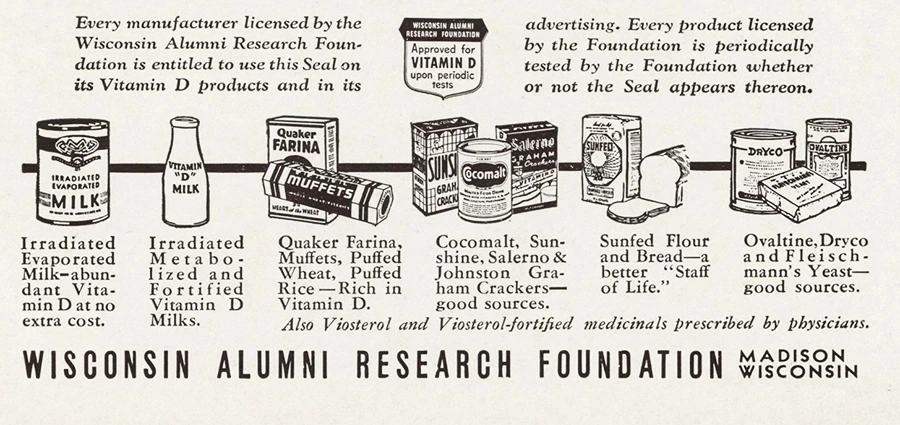
Wisconsin knows this better than most states. In 1925, UW biochemist Harry Steenbock found that ultraviolet light could enrich foods with vitamin D. Most universities weren't managing patents at the time, so the Wisconsin Alumni Research Foundation was formed to do it. WARF has spent the century since moving university inventions into industry. In 1980, the Bayh-Dole Act allowed universities and small businesses to keep title to inventions made with federal funding, and the model went national. The spinouts coming out of Madison - and many other universities - today are built on a framework older than most of the people running them.
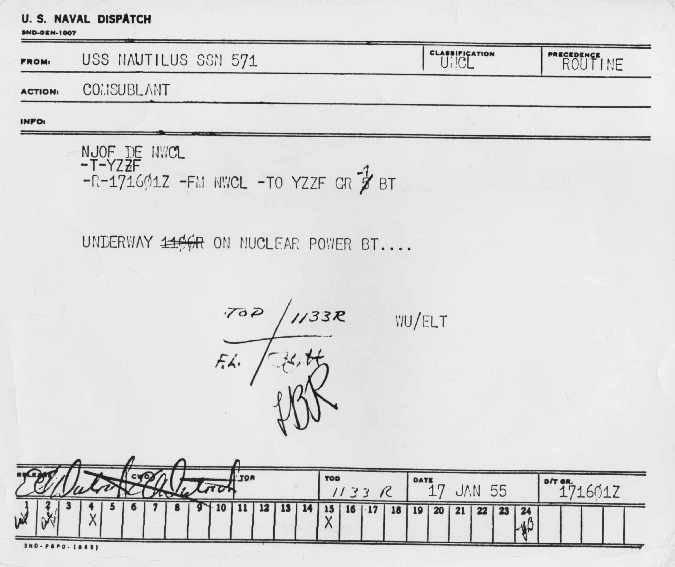
Long before I ran a manufacturing company, I was a young engineer in the Naval Nuclear Propulsion Program, and its history makes the same point. USS Nautilus was authorized in 1951 and got "underway on nuclear power" in January 1955. A reactor at sea was about as new as technology got at that point. Yet the work was organized through familiar structures: a government-owned laboratory operated by Westinghouse designed the reactor plant, Electric Boat built the hull, and industrial suppliers built components to drawings and specifications under ordinary contracts. The technology was radical. The contracting was not.
The Existing Playbook Already Settles a Lot
Most of the questions an energy startup faces with its first manufacturing partner already have well-worn answers:
| The question | The established structure | What it means for a startup |
|---|---|---|
| Who owns what each of us walked in with? | Background IP vs. foreground IP | Define both in writing before work starts. Your design stays yours, and the shop's general methods stay theirs. |
| Who is responsible for the design? | Build-to-print vs. build-to-spec | With build-to-print, you own the design and the shop builds to it. With build-to-spec, the supplier takes on design responsibility, and ownership needs to be negotiated. |
| Who owns the tooling? | Customer-owned tooling terms | If you pay for dedicated fixtures, electrodes, or tooling, say so on the purchase order, along with where it is stored and who maintains it. |
| How is confidential information protected? | NDA plus a master services agreement | Sign the NDA early. An MSA keeps every new purchase order from reopening the terms. |
| Who can see technical data, and where can it go? | Government data rights and export control rules | If federal funding or controlled technology is involved, choose suppliers that are already set up to handle it. |
None of this is exotic. Aerospace, defense, and industrial manufacturers rely on these structures every day. A lawyer can speak to the details far better than I can, and your own attorney should be the one drafting your agreements. But an implementer who walks in knowing these structures exist will spend less time and money getting to a first part.
How Infinity EDM & Machining Fits
The invention belongs to the startup. What a manufacturing partner brings is process knowledge: how to hold a tolerance in a hard alloy, how to produce a geometry that can't be milled, and how to make the hundredth part match the first. Wire EDM, for example, cuts any electrically conductive material regardless of hardness, which matters when energy hardware calls for refractory metals and high-temperature alloys.
That division of labor works well. The startup owns the "what." The shop "executes." When that line is drawn clearly at the start, both sides can share information openly and move faster. At Infinity EDM & Machining, we're ISO 9001:2015 certified and ITAR registered, so the controlled-data and quality questions are already answered before the first drawing arrives.
Learn from the Past to Reinvent the Future
Wisconsin has the research, the industrial base, and a century of experience moving ideas into industry. The fastest path for the energy transition here is to use the structures that already work and save our creativity for the technology itself.
If you're at the Expo, join us in Room E at 2:00 p.m. If you're developing energy hardware and want to talk about getting it made, reach us at sales@infinityedm.com or (262) 677-9473.
Infinity EDM & Machining
A never ending focus on excellence.