What Makes a Material Suitable for Wire EDM?
Understanding Material and Shape Requirements
Wire Electrical Discharge Machining (Wire EDM) stands out as one of the most precise manufacturing processes available, but it's not suitable for every material or every geometry. Understanding what works—and why—helps you determine if wire EDM is the right solution for your project.
The Fundamental Requirement: Electrical Conductivity
The single most critical requirement for wire EDM is simple: the material must be electrically conductive.
This isn't just a preference—it's a physical necessity. Wire EDM works by creating controlled electrical sparks between a thin wire electrode and the workpiece. These sparks, occurring thousands of times per second in a dielectric fluid, erode material with extraordinary precision. Without electrical conductivity, these sparks cannot occur, and the process simply won't work.
This is why materials like ceramics, plastics, and composites cannot be processed with wire EDM, regardless of how hard or precision-demanding they might be. The material must conduct electricity to complete the circuit that makes EDM possible.
Ideal Materials for Wire EDM?
While any conductive material can theoretically be processed with Wire EDM (e.g., "Wired"), certain materials are particularly well-suited to the process—often because they're extremely difficult or impossible to machine conventionally:
Tungsten Carbide
Hard and brittle, carbide is notorious for breaking conventional cutting tools. Wire EDM processes carbide without physical contact, eliminating tool wear and breakage concerns while achieving precise geometries.
Nickel Superalloys
Materials like Inconel, Hastelloy, and Waspaloy are extremely tough and work-harden during conventional machining. Wire EDM's non-contact process bypasses these challenges entirely.
Hardened Tool Steels
Materials like D2, A2, H13, and S7 in their hardened state (often 60+ HRC) are ideal candidates. Wire EDM cuts through hardened steel as easily as soft steel, maintaining tight tolerances without inducing heat stress or tool wear issues.
Titanium Alloys
Known for poor thermal conductivity and work hardening, titanium can be problematic in conventional machining. Wire EDM cuts titanium efficiently with excellent surface finishes and dimensional accuracy.
Cobalt Alloys
Materials like Stellite and Haynes 25 offer wear resistance and high-temperature strength but work-harden during conventional machining. Wire EDM processes these alloys efficiently, making them ideal for cutting tools, valve components, and high-wear applications.
The common thread? These are materials where hardness is an advantage in EDM rather than an obstacle. The process doesn't care how hard your material is—only that it conducts electricity.
Stainless Steels
Materials like 17-4 PH and 15-5 PH combine corrosion resistance with high strength, creating challenges in conventional machining. Wire EDM processes these alloys in their hardened state without work hardening concerns.
What Shapes can Wire EDM produce?
Wire EDM's capabilities are defined by how the wire moves through the material. Understanding this helps you design parts that leverage the process's strengths.
Through-Cuts
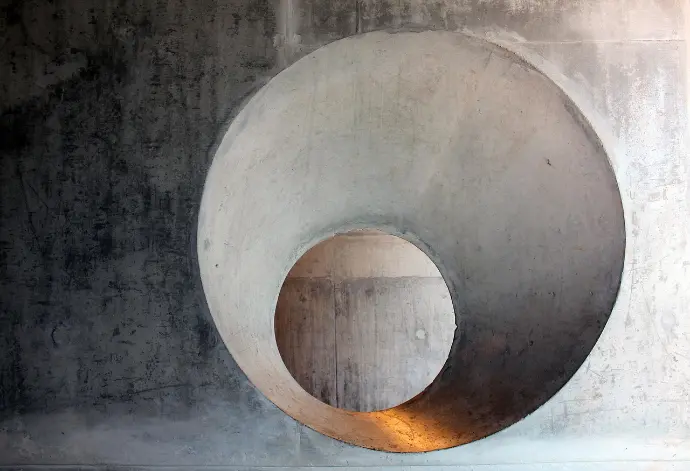
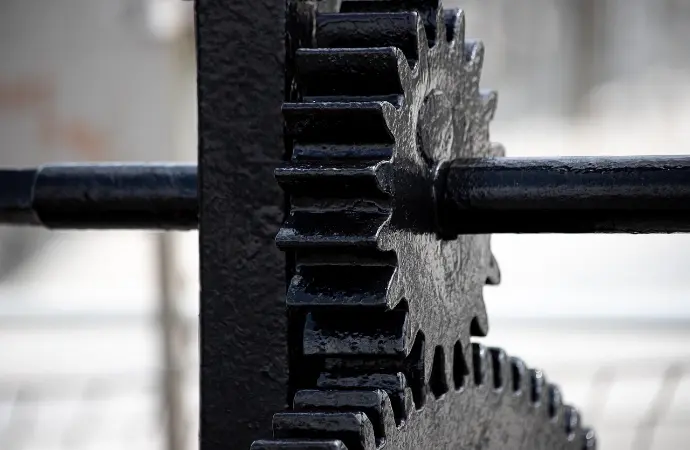
Wire EDM excels at shapes that pass completely through the workpiece. Complex profiles, internal cutouts, and precise external contours are all readily achievable. Think stamping die openings, injection mold cavities, or intricate gears.
Tapered Walls
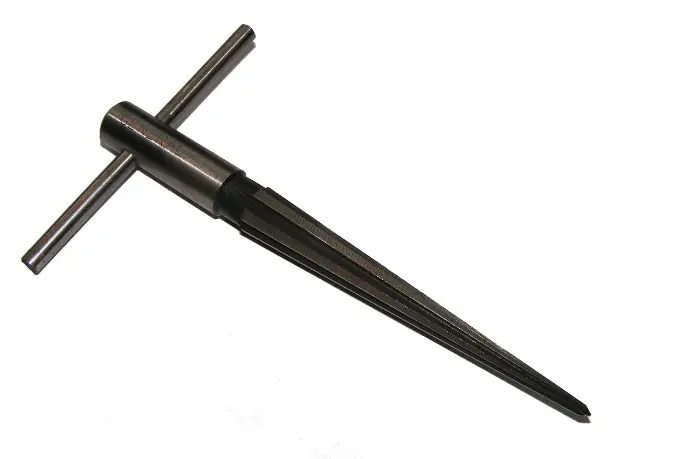
By independently controlling the wire's top and bottom positions, wire EDM can create angled walls, draft angles, and complex 3D surface transitions. This is invaluable for mold and die work where draft angles are essential.
Sharp Corners
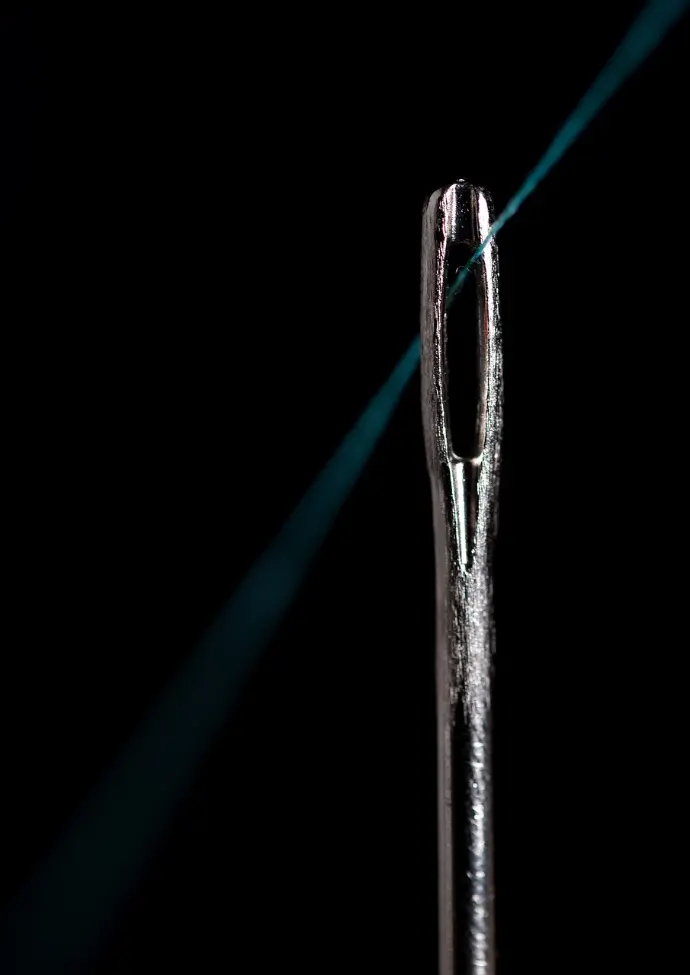
While not perfectly sharp (the wire has diameter), wire EDM produces far sharper internal corners than milling. Corner radii as small as .002"-.004" are achievable, depending on wire diameter and application requirements.
Practical Considerations
For any wire EDM operation, you'll need a start hole for internal features—this is where EDM small hole drilling becomes valuable. The wire threads through this hole to begin cutting internal contours.
Surface finish is highly controllable in wire EDM, ranging from rough cuts (for secondary operations) to mirror finishes (often 8-16 microinches Ra), depending on your requirements and time constraints.
The Bottom Line
Wire EDM is ideal when you need precise geometries in hard, conductive materials—especially when conventional machining would be difficult, time-consuming, or impossible. If your material conducts electricity and your geometry involves through-cuts or tapers, wire EDM likely offers advantages in precision, surface finish, and efficiency.
Understanding these fundamentals helps you design parts that leverage wire EDM's unique strengths while avoiding its limitations.
Find out more.
Ask for a quote.
Infinity EDM & Machining
A never ending focus on excellence.